
Vitiligo guide
Understand vitiligo. Care for your skin appropriately.
Vitiligo can make some areas of skin lighter or white. Assessment requires a medical history and skin examination. This guide explains possible appearances, assessment, and general care options.

Not contagious
Vitiligo does not spread from person to person.
Care options exist
A clinician considers disease features, health, and individual goals.
Response varies
No option guarantees the same result for everyone.
Images cannot confirm diagnosis
A medical history and skin examination are required.
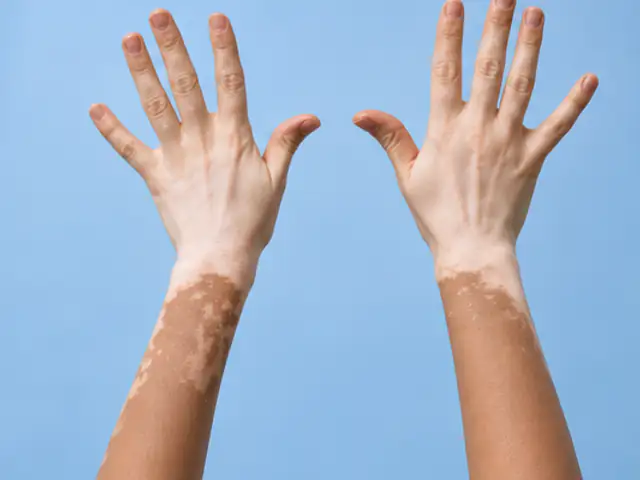
What is vitiligo?
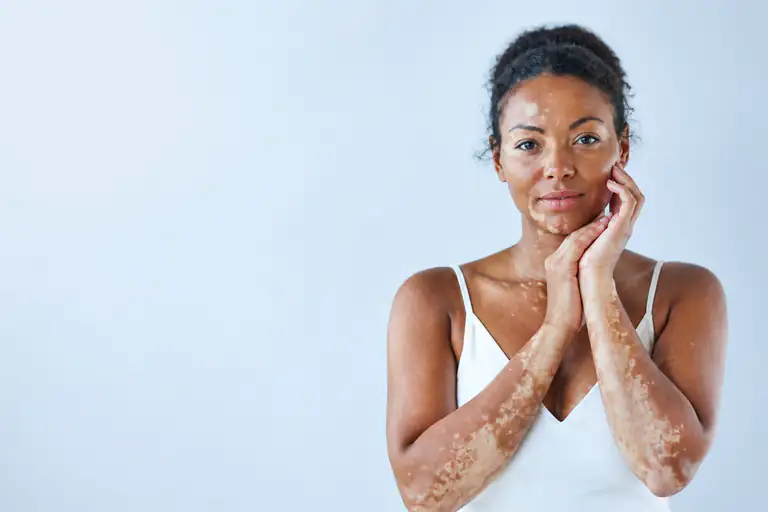
Vitiligo is a chronic skin condition involving the immune system and loss of pigment-producing cells. Some areas of skin may become lighter or white, and hair within an affected area may turn white. An image alone cannot confirm vitiligo because other conditions can look similar.
Vitiligo information on the hospital websitePossible appearances to notice
Illustrations and listed appearances cannot confirm a diagnosis.
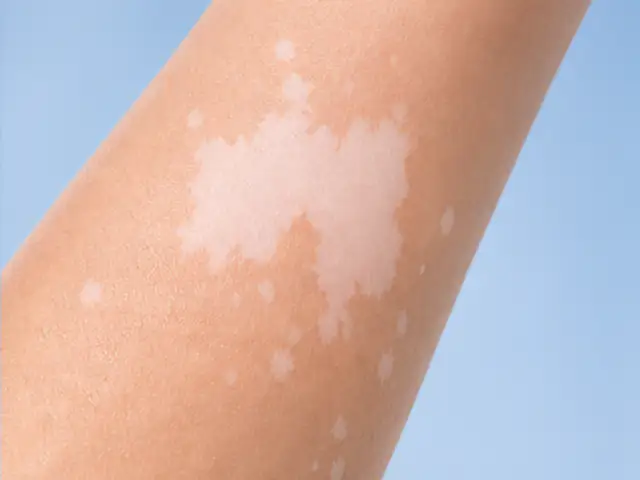
Lighter or white patches on the skin
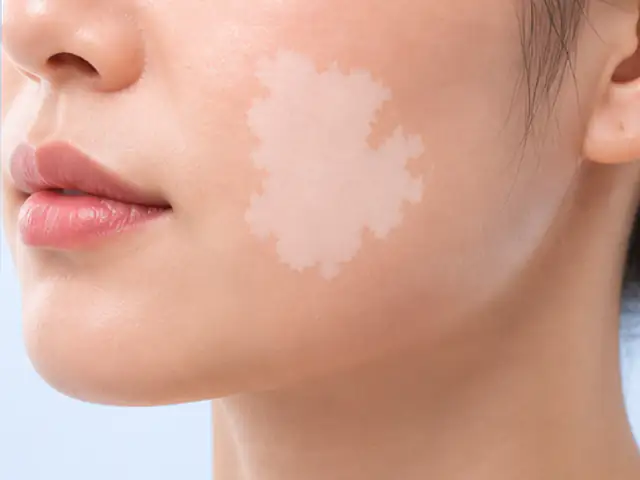
Skin colour in one area differs from the surrounding skin
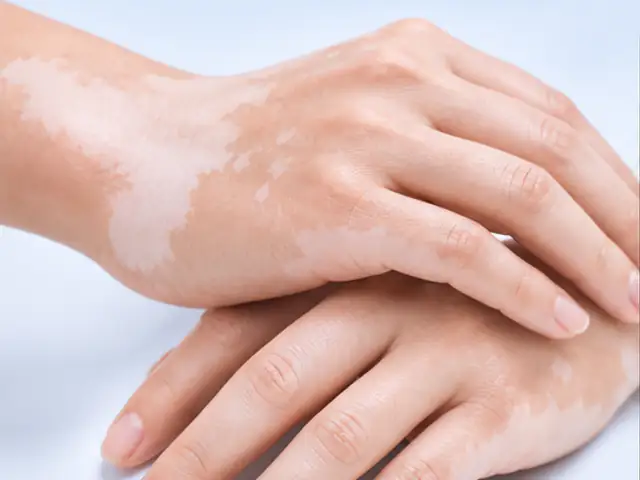
Changes may occur on the face, hands, or body folds
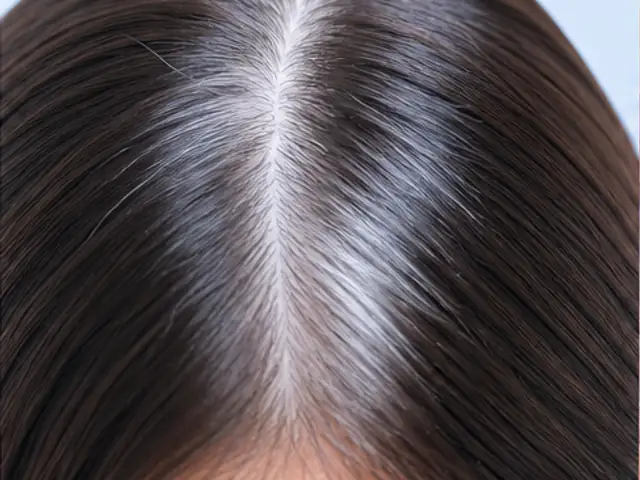
Hair within an affected area may change colour
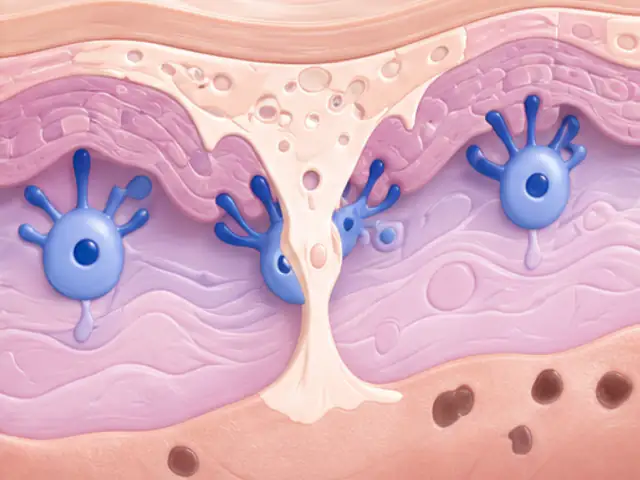
Causes and associations
Vitiligo involves the immune system mistakenly damaging pigment-producing cells. Family history and some immune-related conditions can be relevant, but no single factor explains every person's condition.
Assessment by a dermatologist
- 01Discuss the history and examine the skin
- 02Assess the pattern and changes over time
- 03Consider further tests when appropriate
Further tests are not the same for everyone, and no single blood test confirms vitiligo in every case.
Vitiligo care overview
- Prescription topical medicines
- Clinician-supervised light treatment
- Options selected for the individual
- Skin care and sun protection
Care depends on disease type, activity, location, extent, health, and individual goals.
Causes and related factors
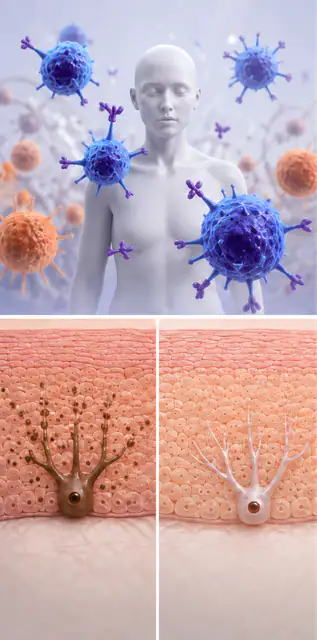
- Normal skin pigment
- Pigment-producing cells are damaged
Immune mechanism
Vitiligo involves the immune system mistakenly damaging pigment-producing cells.
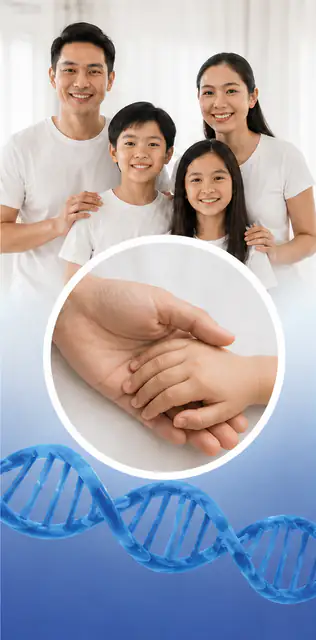
Family history and associations
Family history can be relevant, but having a relative with vitiligo does not mean another family member will definitely develop it. Vitiligo may occur alongside some immune-related conditions.
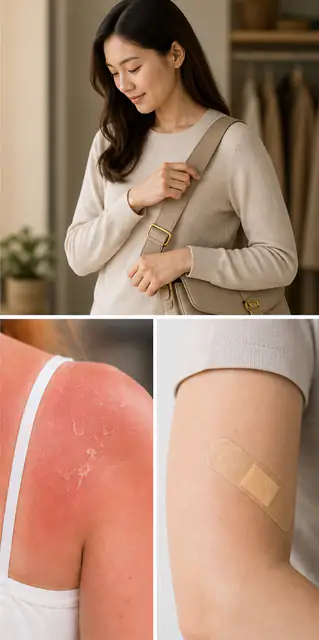
Events that may precede a new patch
In some people, injury, friction, or severe sunburn may precede a new patch. This is useful information to share with a clinician, but it does not prove that the event caused vitiligo.
Vitiligo treatment overview
No single approach is suitable for everyone. A clinician considers disease type and activity, location, extent, age, health, goals, and previous response. Response varies and cannot be guaranteed.
This list is an educational overview, not individual advice or a verified list of hospital services.
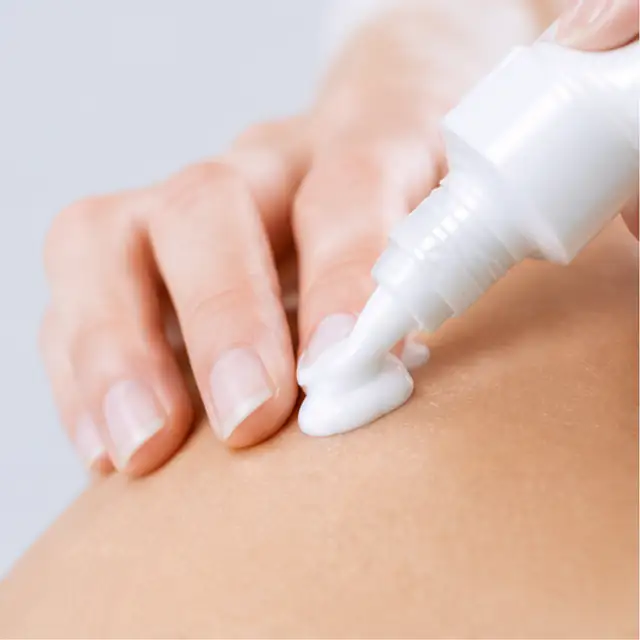
Prescription topical medicine
This may be considered for some people and requires appropriate instructions and monitoring.
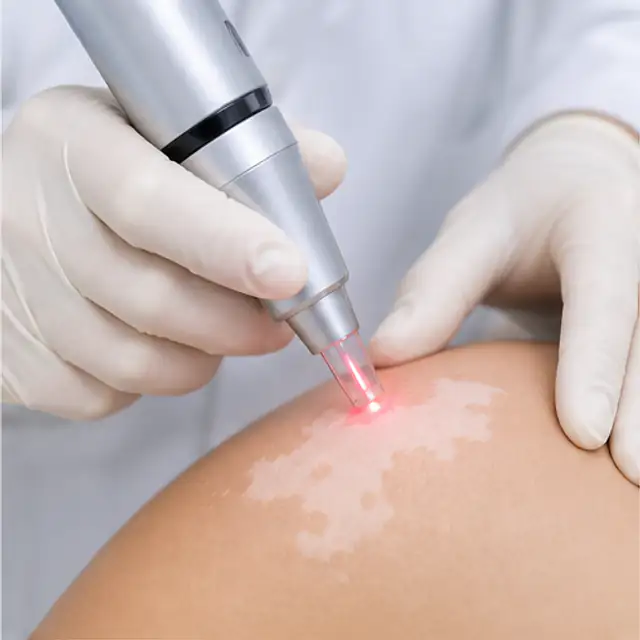
Targeted light devices
A clinician may consider these for selected areas and patients.
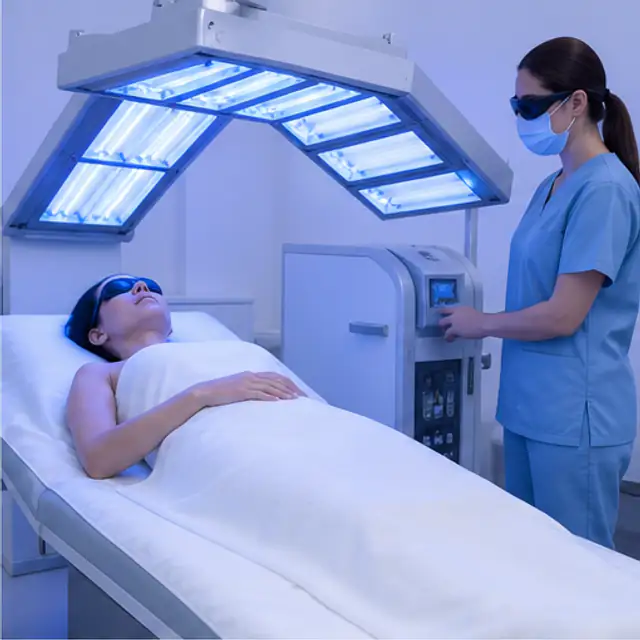
Light treatment
The type should be selected and supervised by a healthcare professional.

Reducing remaining pigment
This is uncommon, permanent, and limited to selected circumstances.
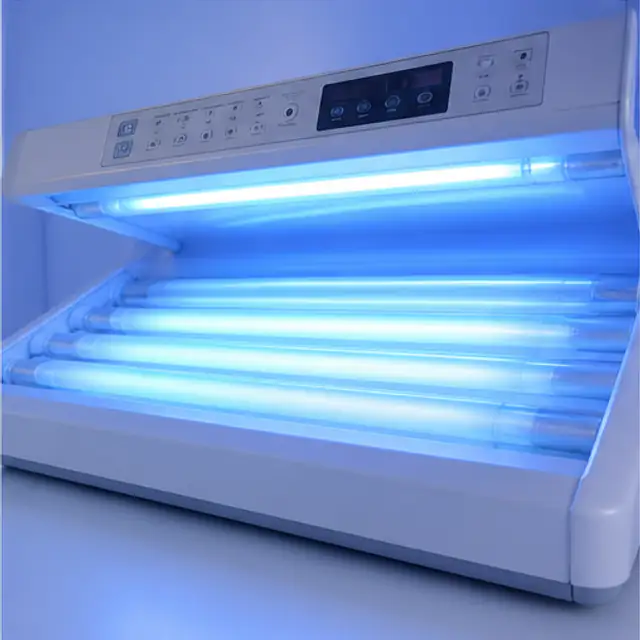
UVB phototherapy
UVB is one form of light treatment and should be appropriately supervised.
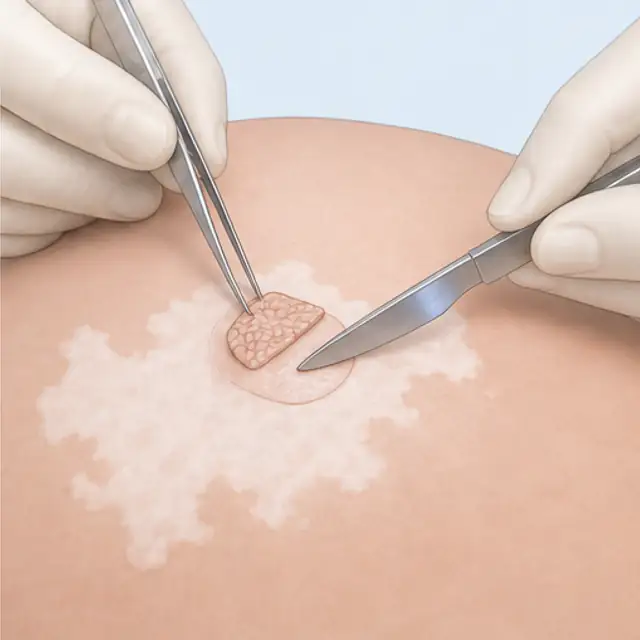
Skin grafting
This may be considered for selected people with stable disease after an assessment of suitability.
Vitiligo articles
These two articles expand the main guide's topics on requesting an assessment and non-contagiousness.

Assessment by a dermatologist
Dermatology team
Asoke Skin Hospital- Discuss the history and examine the skin
- Assess the pattern and changes over time
- Discuss options in the individual's context
Frequently asked questions about vitiligo
Is vitiligo contagious?
No. Vitiligo is not an infection and does not spread from person to person.
Can vitiligo be treated?
Several care options may help control change or support partial return of colour in some people, but response varies and no option guarantees permanent clearance.
Can vitiligo come back?
After some colour returns, it may later fade and patches may change. Response and subsequent changes differ from person to person.
Can I go out in the sun?
Skin that has lost pigment may burn more easily, so sun protection and avoiding tanning or tanning devices are important. Clinician-supervised light treatment is not the same as using an ultraviolet device yourself.
When should I see a clinician?
Consider an assessment for an unexplained colour change, new or changing areas, uncertainty about the condition, other symptoms, or an effect on daily life.